Makhana: The Rising Global Superfood
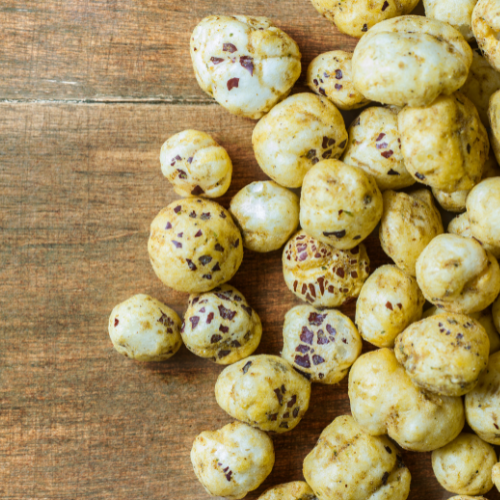
Makhana, also known as Fox Nuts or Gorgon Nuts (), is a nutritional powerhouse rapidly transitioning from a traditional Indian staple to a global superfood. Its popularity is fueled by modern health trends that favor plant-based, gluten-free, and nutrient-dense options.
Key Superfood Qualities:
- Nutrient-Rich: It is an excellent source of protein and fiber, yet low in fat and calories, making it ideal for weight management.
- Mineral Content: It is packed with vital micronutrients like magnesium, potassium, and calcium, which support heart health, bone strength, and stable blood pressure.
- Antioxidants: Rich in antioxidants, it is valued for its anti-aging and anti-inflammatory properties, with a low glycemic index making it suitable for managing blood sugar levels.
- Versatility: Makhana’s light, airy texture and slightly nutty flavor make it incredibly versatile—it’s enjoyed dry-roasted as a guilt-free snack, seasoned in various flavors, or incorporated into curries, desserts, and cereals.
Bihar: The Global Production Hub
The Indian state of Bihar is the undisputed leader in makhana production, accounting for an impressive 80-90% of India’s total output, which effectively makes it the world’s largest source.
- Geographical Indication (GI) Tag: The ‘Mithila Makhana’ variety, primarily grown in Bihar’s Mithilanchal region (districts like Madhubani, Darbhanga, and Purnia), received a GI tag in 2022, certifying its unique origin and quality.
-
Traditional Cultivation: The industry is anchored in the state’s vast wetlands and ponds, where makhana cultivation has a legacy spanning over two centuries. The seeds are traditionally harvested through a laborious, specialized process by the local Mallah community wading through the water.